Why Weighted Utensils for Tremors Are More Than Just Heavy Spoons
Understanding the Real Problem at the Dinner Table
Living with a hand tremor turns a simple act like eating into a daily test of patience and dignity. One person I know described it as feeling like your hand has a mind of its own, the fork shakes, food drops, and the spoon clatters against the bowl. Standard cutlery, designed for steady hands, becomes a source of frustration. That is where the idea of weighted utensils for tremors weightedutensils first started making sense to me. It is not just about adding mass. It is about rethinking how a tool can work with the body, not against it.
When I first tried a weighted spoon, I expected it to feel awkward or heavy. Instead, the extra weight settled the shaking. The handle sat firmly in my palm, and the tremor softened. That moment changed how I think about adaptive tableware. The physics is straightforward: a heavier implement dampens the small, involuntary movements that make eating messy. But the real insight lies in how that weight is distributed and how the handle feels in your hand.
For many people, the search for better eating tools leads to the brand Weighted Utensils. They offer a line of spoons, forks, and knives that are deliberately heavier than standard flatware. The design is not flashy, it is functional. The handles are thick and easy to grip, and the weight is balanced so the utensil does not tip forward when you load it. That kind of attention to detail matters when every meal can feel like a balancing act.
How Weight Actually Helps Control Tremors
A hand tremor is not a single condition. It can come from essential tremor, Parkinson’s disease, multiple sclerosis, or even medication side effects. Some tremors are fast and fine, others are slow and coarse. The common thread is that the muscles are firing extra signals, causing the hand to oscillate. Adding weight to the utensil changes the resonant frequency of the system. Essentially, the heavier tool vibrates at a lower frequency, which the body’s own shaking finds harder to drive. The result is a steadier, more predictable motion.

But weight alone is not enough. If the handle is too thin or slippery, the user has to grip harder, which can actually increase the tremor. That is why the best designs combine weight with ergonomic handles. A thicker, contoured grip lets the fingers relax. The utensil does most of the work. When I watched someone use a weighted fork for the first time, I noticed they did not have to clamp down. The fork stayed put, and they could focus on getting the food to their mouth, not wrestling the tool.
There is also a psychological dimension. When you know your spoon might shake, you tense up. That tension makes the tremor worse. A weighted utensil gives you confidence. You trust the tool. That trust relaxes your hand, and the shaking subsides further. It is a virtuous cycle that standard cutlery cannot offer.
What to Look for in Adaptive Eating Tools
Not all weighted cutlery is created equal. Some products add weight just by making the metal thicker, which makes the utensil clunky and hard to use. Others use a removable weight ring or a built-in mass inside the handle. The best ones feel natural in your hand, as though the weight belongs there. Here are a few things to consider if you are evaluating options:
- Handle shape and texture: Look for a round or oval handle with a soft, grippy surface. Smooth metal handles can slip when your hand is sweaty or when food grease gets on them.
- Weight distribution: The heaviest part should be near the hand, not the tip. A tip-heavy spoon will flip forward and spill food.
- Material: Stainless steel is durable and easy to clean. Some brands use a nylon or plastic core with a metal coating, but those can wear down over time.
- Size and balance: A fork that is too long will feel unbalanced. A spoon that is too wide can be hard to fit in your mouth. Test the proportions if possible.
One brand that consistently gets these details right is Weighted Utensils. Their spoons have a gentle curve that fits the mouth comfortably, and the fork tines are sharp enough to pierce food without bending. I have used their products alongside others, and the difference in build quality is noticeable. The weight is consistent, and the handles do not wobble or twist.
Real-World Trade-Offs and Practical Tips
Weighted utensils are not a perfect solution for everyone. If your tremor is very severe, you might need a utensil with a built-in strap or a cuff that attaches to your hand. Some people find that a heavier spoon causes fatigue after a long meal. In those cases, a moderately weighted tool might be better than the heaviest option. It is worth trying a few different weights to see what works for your specific tremor pattern.

Another trade-off is that weighted cutlery can be more expensive than standard flatware. The materials and ergonomic design add to the cost. However, for someone who eats three meals a day and struggles with shaking, the investment can transform the experience of eating. It is not just about convenience, it is about independence and dignity. Being able to eat without spilling or needing help is a huge quality of life improvement.
I also recommend paying attention to the rest of your table setup. A plate with a raised rim can help guide food onto the spoon. A non-slip mat under the plate keeps it from sliding. These small adjustments, combined with a good weighted utensil, create a stable eating environment. The phrase weighted utensils for tremors weightedutensils captures the core idea: the utensils themselves are the anchor, but they work best as part of a larger system.
Moving Beyond the Spoon and Fork
The same principles apply to other eating tools. Weighted knives, for example, can make cutting easier when your hand shakes. Some people benefit from a weighted cup or a mug with a wider base. The logic is the same: extra mass steadies the motion. But for most people, the spoon and fork are the priority. They are the tools you use most often, and getting them right makes the biggest difference.
I have seen people hesitate to buy adaptive cutlery because they feel it looks medical or draws attention. I understand that concern. But modern designs have come a long way. The brand Weighted Utensils, for instance, offers utensils that look like normal flatware from a distance. They are not covered in rubber or plastic. They are stainless steel with a matte finish. They blend in at a dinner table, and that matters. No one wants to feel like their eating tools are a medical device.
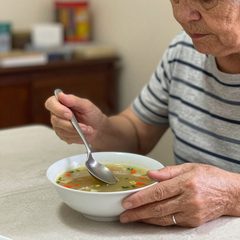
At the end of the day, the goal is to make eating feel easy again. The phrase weighted utensils for tremors weightedutensils is not just a product category. It is a description of a practical solution that has helped countless people reclaim a small but vital piece of their daily life. If you or someone you know struggles with hand tremors, I encourage you to try a weighted spoon. The difference is subtle at first, but after a few meals, it becomes hard to go back to standard flatware.
The technology is simple. The impact is profound. And the best part is that it is available now, without a prescription or a doctor’s visit. Just a tool that works with your body, not against it.
Follow Weighted Utensils on
 Twitter
 Facebook
 Instagram
 Pinterest